
The Sleep–Emotion Connection Most Parents Miss
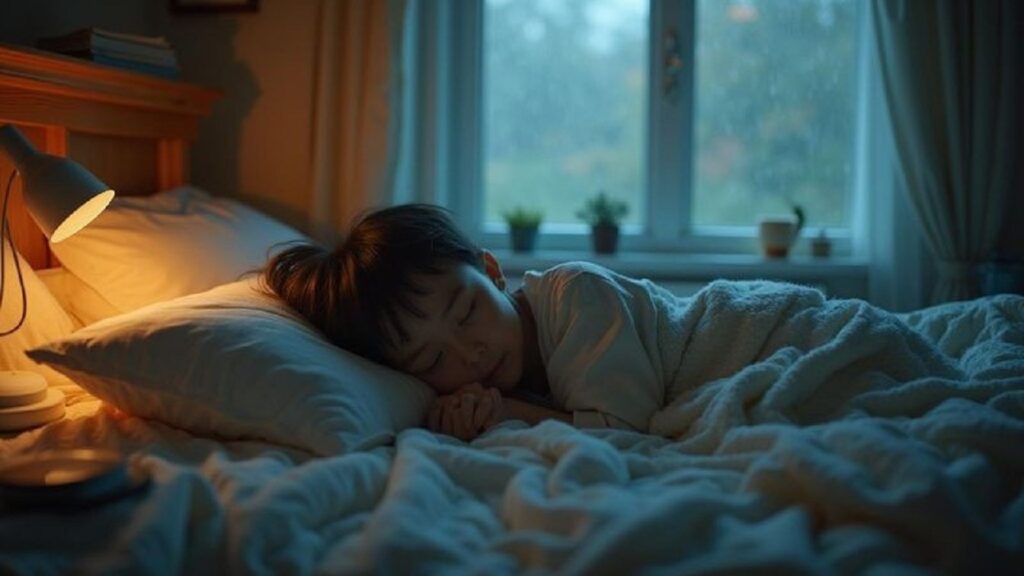
If your child with ADHD is more irritable after a poor night’s sleep, you’re not imagining it. Sleep and emotional regulation are deeply connected — and for ADHD kids, the link is even stronger.
Why Sleep Affects Emotions in ADHD
1. Sleep Regulates the Brain’s Emotional Circuits
Poor sleep reduces activity in the prefrontal cortex, the part of the brain that calms emotional reactions. This leaves kids more vulnerable to big feelings the next day (Gruber, 2017).
2. ADHD Increases Risk for Sleep Disruption
Kids with ADHD are more likely to experience restless sleep, bedtime resistance, or delayed sleep phase (Cortese et al., 2009). These problems worsen emotional control.
3. Sleep Loss and Rejection Sensitivity
Lack of rest can heighten rejection sensitivity, making children more reactive to even mild feedback (Beattie et al., 2015).
How Parents Can Improve Sleep and Emotional Balance

Strategy 1: Establish Consistent Sleep Routines
- Set a predictable bedtime and wake time
- Use calming pre-sleep activities (reading, warm bath, soft lighting)
- Limit screen exposure before bed
Strategy 2: Support Healthy Sleep Environments
- Keep bedrooms cool and dark
- Use white noise machines if helpful
- Remove stimulating toys or electronics from the sleep space
Strategy 3: Integrate Cognitive Training for Regulation
Building resilience through tools like attention training can help kids self-regulate even when sleep isn’t perfect. Over time, stronger attention control supports better coping with tiredness.
Final Thoughts

If your ADHD child’s emotions seem unpredictable, don’t overlook sleep. Supporting healthy sleep habits can transform daily emotional balance and reduce unnecessary struggles.
FAQs
Q: How much sleep do ADHD kids need?
A: Most school-aged children need 9–11 hours, but quality matters as much as quantity. Consistency is key.
Q: Can poor sleep look like ADHD symptoms?
A: Yes. Inattention, irritability, and hyperactivity can all worsen with sleep loss. That’s why sleep should always be checked before adjusting treatment.
Q: Should I use melatonin or supplements?
A: Discuss with a healthcare professional. While melatonin can help some kids, long-term use should be monitored.
Q: Can NeuroTracker help with sleep problems?
A: Not directly. But training attention and emotional regulation can reduce the impact of tiredness on daily functioning.
References
- Gruber, R. (2017). The role of sleep in emotional regulation. Current Opinion in Behavioral Sciences, 10, 46–52.
- Cortese, S., Faraone, S. V., Konofal, E., & Lecendreux, M. (2009). Sleep in children with ADHD: Meta-analysis of subjective and objective studies. Journal of the American Academy of Child & Adolescent Psychiatry, 48(9), 894–908.
- Beattie, L., Kyle, S. D., Espie, C. A., & Biello, S. M. (2015). Social interactions, emotion, and sleep: A systematic review and research agenda. Sleep Medicine Reviews, 24, 83–100.


