
Foundations That Help Gifted ADHD Children Feel Understood

Gifted ADHD children often feel out of sync with the world. Their intensity, creativity, and challenges can leave them feeling misunderstood — even by those who love them most.
When kids feel seen and accepted, they build the confidence and resilience needed to thrive.
Why Gifted ADHD Kids Feel Misunderstood
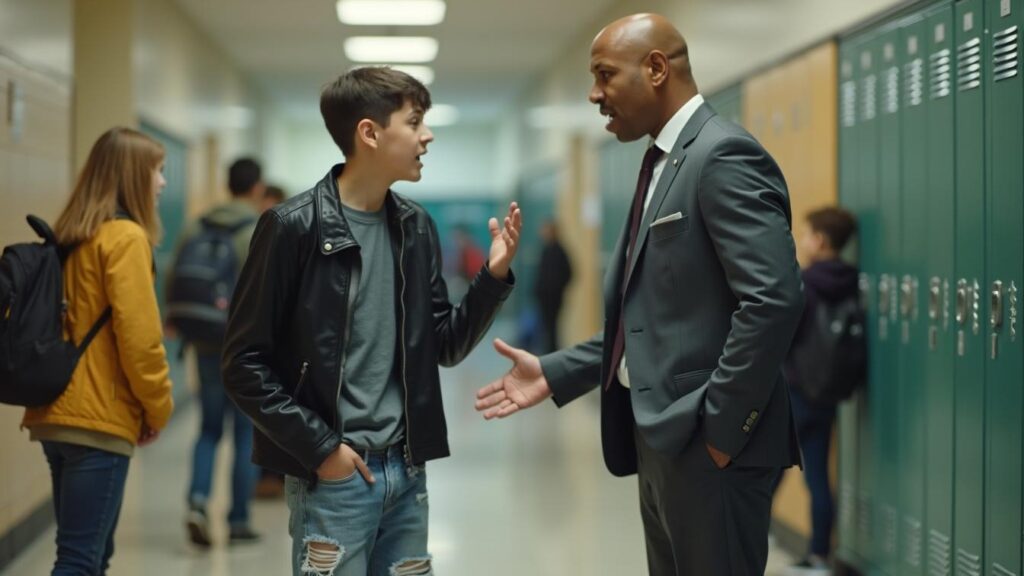
1. Asynchronous Development
Gifted ADHD children may be advanced in some areas (like reasoning) but delayed in others (like self-regulation). This uneven profile creates frustration and confusion (Silverman, 1997).
2. Social Isolation
Being both gifted and ADHD can make it harder to fit in. Intense interests, impulsivity, or perfectionism may push peers away (Neihart, 2007).
3. Misinterpreted Behaviors
What looks like laziness or defiance may actually be executive function struggles or emotional flooding (Barkley, 2011).
How Parents Can Build Understanding

Strategy 1: Listen Without Judgment
Create safe spaces where kids can share their worries and dreams without correction. Reflect back what you hear: “It sounds like you felt frustrated when that happened.”
Strategy 2: Name Strengths as Well as Struggles
Balance feedback. Alongside reminders about chores or homework, point out creativity, kindness, or problem-solving skills.
Strategy 3: Provide Tools for Growth
Kids feel understood when they have strategies that match their needs:
- Flexible school supports
- Counseling with ADHD/gifted expertise
- Attention training to strengthen focus and resilience
Final Thoughts
Gifted ADHD kids don’t need to be “fixed.” They need foundations of empathy, strength-based feedback, and tailored supports to feel truly understood.
FAQs
Q: What does “asynchronous development” mean in everyday life?
A: A child may read like a teenager but melt down like a much younger child. Uneven skills are normal in gifted ADHD kids.
Q: How do I help my child fit in socially?
A: Encourage activities that align with their interests while also teaching social flexibility and perspective-taking.
Q: Is it harmful to focus too much on strengths?
A: No — as long as struggles aren’t ignored. Balanced feedback builds resilience.
Q: Can tools like NeuroTracker really make kids feel more understood?
A: Indirectly, yes. Cognitive training helps reduce frustration from attention struggles, allowing kids’ strengths to shine.
References
- Silverman, L. K. (1997). The construct of asynchronous development. Peabody Journal of Education, 72(3-4), 36–58.
- Neihart, M. (2007). The socioaffective impact of giftedness: A review of the literature. Gifted Child Quarterly, 51(4), 331–341.
- Barkley, R. A. (2011). Executive functions: What they are, how they work, and why they evolved. Guilford Press.


