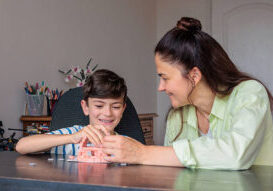
Why ADHD Kids Say “It’s Too Loud!” — Understanding Sensory Sensitivities

For many gifted ADHD children, the world feels too loud, too bright, or too overwhelming. Parents may notice meltdowns in busy stores, loud classrooms, or even during family gatherings.
This isn’t “overreacting.” It’s sensory sensitivity — a brain-based difference that makes everyday environments feel intense.
Why Sensory Sensitivities Happen in ADHD
1. Differences in Sensory Processing
ADHD often overlaps with sensory processing challenges. Sounds, textures, or lights may be experienced more strongly than in neurotypical peers (Panagiotidi et al., 2017).
2. Overlap with Emotional Regulation
When the brain is already taxed with attention control, sensory overload can trigger faster emotional dysregulation (Ghanizadeh, 2011).
3. Link to Giftedness
Gifted children may have heightened awareness of their surroundings. This sensitivity can amplify ADHD-related reactivity, creating a “double intensity” (Dabrowski & Piechowski, 1977).
How Parents Can Support Sensory-Sensitive ADHD Kids

Strategy 1: Prepare for Sensory Environments
- Pack headphones for noisy places
- Offer sunglasses or hats in bright spaces
- Allow breaks in quieter settings
Being proactive reduces the likelihood of overload.
Strategy 2: Normalize Their Experience
Say: “I know the noise feels extra loud for you. It’s okay to need a break.”
Validation reduces shame and builds trust.
Strategy 3: Teach Coping Tools Over Time
- Breathing exercises for grounding
- Journaling or art for expression
- Attention training to improve focus and reduce reactivity
Gradual skill-building helps children regulate their sensory world without losing confidence.
Final Thoughts

When gifted ADHD kids say, “It’s too loud!” they’re not exaggerating — they’re describing a real neurological experience. With preparation, validation, and training, parents can help them navigate a noisy world.
FAQs
Q: How do I know if my child has sensory sensitivity or just doesn’t like noise?
A: Sensory sensitivities are consistent and trigger strong reactions across environments, not just in situations of preference.
Q: Is sensory overload the same as an ADHD meltdown?
A: Not exactly. Sensory overload can lead to a meltdown, but they are distinct experiences.
Q: Should I avoid all noisy environments?
A: Avoidance isn’t always possible or helpful. Instead, provide coping tools and supports so your child can build resilience.
Q: Can cognitive training really help with sensory challenges?
A: Yes. Studies suggest that strengthening attention and self-regulation can reduce the intensity of sensory reactivity over time.
References
- Panagiotidi, M., Overton, P. G., & Stafford, T. (2017). Sensory integration and attention deficit hyperactivity disorder traits in the general population. Frontiers in Behavioral Neuroscience, 11, 147.
- Ghanizadeh, A. (2011). Sensory processing problems in children with ADHD, a systematic review. Psychiatry Investigation, 8(2), 89–94.
- Dabrowski, K., & Piechowski, M. M. (1977). Theory of Levels of Emotional Development. Oceanside, NY: Dabor Science.